correo electrónico
 español
 English
 français
 Deutsch
 русский
 italiano
 português
 العربية
 日本語
日本語 한국의
한국의 中文
中文


-
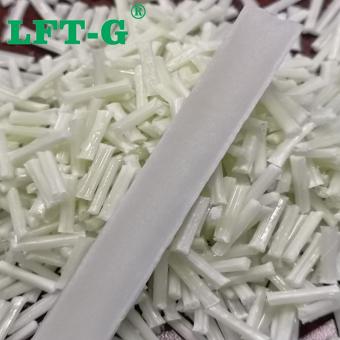
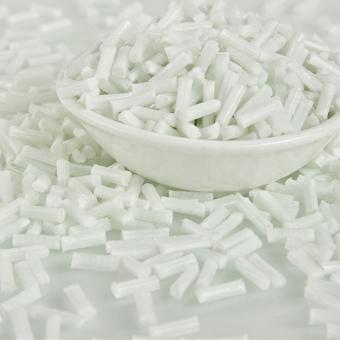
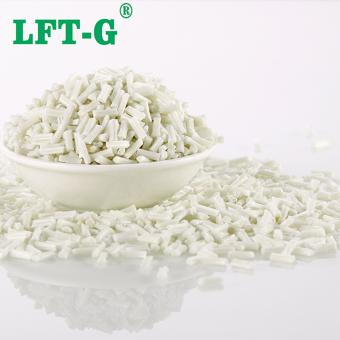
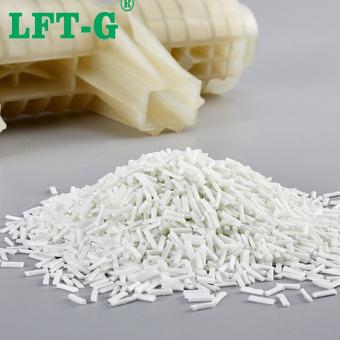
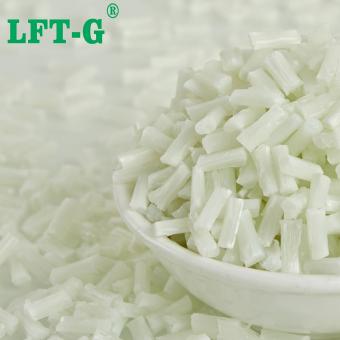
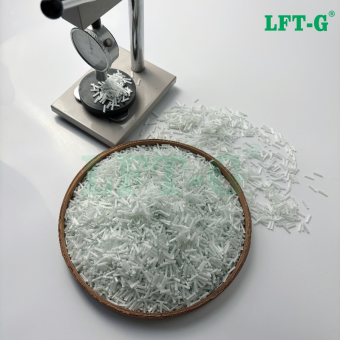
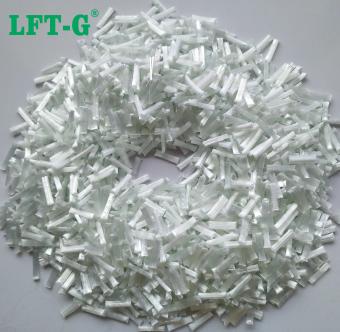
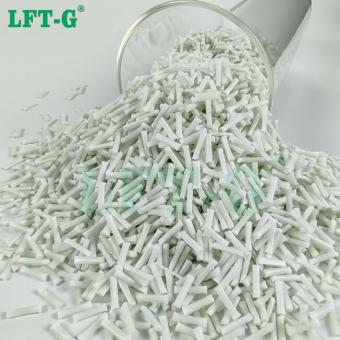
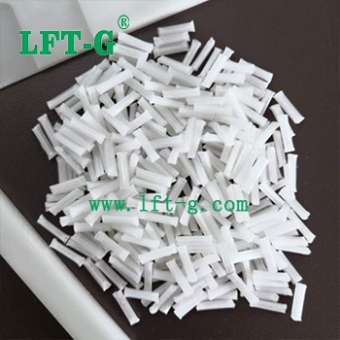
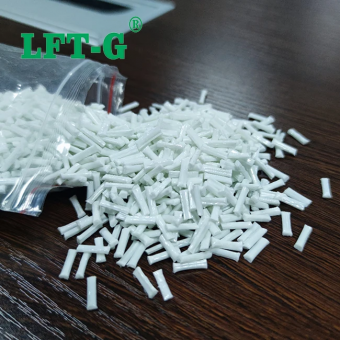
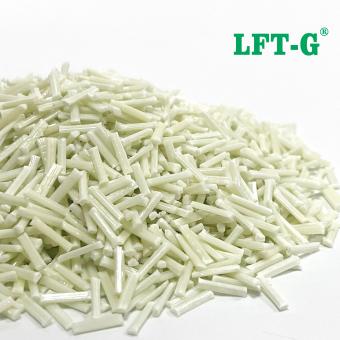
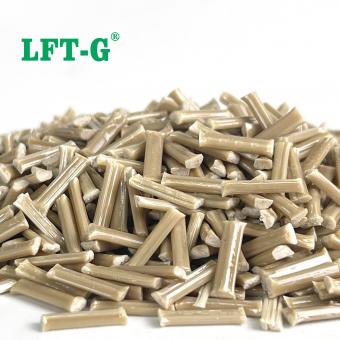
Xiamen LFT-G Relleno compuesto MXD6 de alta tenacidad con fibra de vidrio larga de color originalEl nailon MXD6 es un tipo de resina de poliamida cristalina, que se sintetiza mediante la condensación de m-benzoilamina y ácido adípico.
- Resina de nailon cristalina mxd6 gf a buen precio
- Materiales compuestos con fibra de vidrio larga mxd6
- Plástico mxd6 de mayor rendimiento
- Productos compuestos mxd6 fabricados en China
- Fibra de vidrio plástica personalizada de alta resistencia mxd6
- resina termoplástica resina termoplástica
Etiquetas :
-
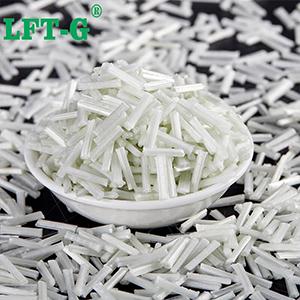
Xiamen LFT-G Relleno de polipropileno, fibra de vidrio larga, plástico modificado de alto rendimiento, 12 mmPP-LGF PP reforzado con fibra de vidrio. Por lo general, la resistencia a la tracción del material PP está entre 20 M y 30 MPa, la resistencia a la flexión está entre 25 M y 50 MPa y el módulo de flexión está entre 800 M y 1500 MPa. Si se va a utilizar PP en piezas estructurales de ingeniería, debe reforzarse con fibra de vidrio Gracias al PP reforzado con fibra de vidrio, las propiedades mecánicas de los productos de PP reforzado con fibra de vidrio se pueden multiplicar o incluso multiplicar por varias. En concreto, la resistencia a la tracción alcanza entre 65 MPa y 90 MPa, la resistencia a la flexión entre 70 MPa y 120 MPa y el módulo de flexión entre 3000 MPa y 4500 MPa. Esta resistencia mecánica es comparable a la de los productos ABS y ABS mejorado, y ofrece mayor resistencia térmica. La temperatura de resistencia al calor del PP reforzado con fibra de vidrio, el ABS general y el ABS reforzado se encuentra entre 80 ℃ y 98 ℃, y la temperatura de resistencia al calor del material PP reforzado con fibra de vidrio puede alcanzar los 135 ℃ y 145 ℃. La modificación del relleno de PP, mediante la adición de minerales inorgánicos como talco, carbonato de calcio, dióxido de titanio y mica, mejora la rigidez, la resistencia al calor y el brillo. El relleno de fibra de carbono, fibra de boro y fibra de vidrio mejora la resistencia a la tracción. La adición de retardante de llama mejora sus propiedades ignífugas. El uso de agentes antiestáticos, colorantes y dispersantes mejora la antiestática, la colorabilidad y la fluidez. El agente nucleante acelera la cristalización y la temperatura, y forma cristales esféricos más numerosos y pequeños, mejorando así la transparencia y la resistencia al impacto. Por lo tanto, este relleno contribuye significativamente a mejorar el rendimiento de los productos plásticos, la procesabilidad del moldeo y la reducción de costes. Aplicación Como uno de los cuatro materiales plásticos generales, el PP tiene un excelente rendimiento integral, buena estabilidad química, mejor rendimiento de moldeo y un precio relativamente bajo. Pero también tiene baja resistencia, módulo y dureza, baja resistencia al impacto a baja temperatura, contracción por formación, envejecimiento fácil y otras deficiencias. Por lo tanto, debe modificarse para que pueda adaptarse a la demanda del producto. La modificación del material PP generalmente se realiza mediante la adición de endurecimiento de refuerzo mineral, modificación de resistencia a la intemperie, refuerzo de fibra de vidrio, modificación retardante de llama y modificación de supertenacidad, y cada tipo de PP modificado tiene una gran cantidad de aplicaciones en el campo de los electrodomésticos El PP reforzado con fibra de vidrio se utiliza para fabricar refrigeradores y equipos de refrigeración de aire acondicionado, como ventiladores de flujo axial y ventiladores de flujo cruzado. Además, se puede utilizar para fabricar el tambor interior de lavadoras de alta velocidad, ruedas onduladas y ruedas de correa para satisfacer sus exigentes requisitos de propiedades mecánicas, así como para la base y el asa de ollas arroceras, hornos microondas electrónicos y otros entornos con altos requisitos de resistencia a la temperatura. PP reforzado con fibra de vidrio. El PP reforzado con fibra de vidrio corta convencional, gracias a su corta longitud, fácil deformación, baja resistencia al impacto y al calor, supera las deficiencias mencionadas anteriormente. Además, presenta una mejor superficie, mayor resistencia a la temperatura y al impacto, y se puede utilizar en refrigeradores y electrodomésticos de cocina con alta resistencia al calor. El PP reforzado con fibra de vidrio se basa en el PP puro original, al que se le añade fibra de vidrio y otros aditivos para ampliar su alcance. Generalmente, la mayoría de los materiales reforzados con fibra de vidrio se utilizan en las piezas estructurales del producto, que es un tipo de material de ingeniería estructural. Ficha técnica Casos Xiamen LFT Composite Plastic Co., Ltd. Xiamen LFT Composite Plastic Co., LTD., fundada en 2009, es un proveedor global de marca de materiales termoplásticos reforzados con fibra larga que integra investigación y desarrollo de productos (I+D), producción y comercialización. Nuestros productos LFT han pasado la certificación del sistema ISO9001 y 16949 y han obtenido numerosas marcas comerciales y patentes nacionales, que abarcan los campos de la automoción, piezas militares y armas de fuego, aeroespacial, nuevas energías, equipos médicos, energía eólica, equipos deportivos, etc
- Polipropileno de fibra de vidrio larga de alto rendimiento
- Compuesto de moldeo por inyección de PP
- Compuestos de resina PP LFT GF
- Resina termoplástica PP LGF LFT fabricada en China
- Muestra disponible de materias primas de PP para relleno LGF
- La industria del PP utiliza materiales ecológicos LFT
Etiquetas :
-
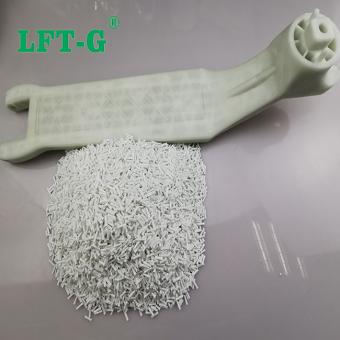
LFT-G PA6 Poliamida6 nailon6 relleno fibra de vidrio larga 40 color original para piezas de automociónNailon reforzado con fibra de vidrio larga PA6 y PA6-LGF PA6, also known as Nylon 6, is a high-performance polyamide widely used in engineering plastics, fibers, and films. It is a thermoplastic polymer with repeating amide groups (-NH-CO-) in the main chain, offering strong mechanical properties and versatile processing capabilities. What is PA6 Plastic? PA6 is an aliphatic polyamide that provides excellent strength, wear resistance, and chemical resistance to weak acids, alkalis, and certain organic solvents. Its lightweight and processable nature make it widely applied in fibers, engineering plastics, and thin films. However, the polar amide groups in PA6 easily form hydrogen bonds with water molecules, which can result in high moisture absorption, dimensional changes, and reduced impact strength in dry or low-temperature conditions. Advantages of PA6 High mechanical strength and toughness with excellent tensile and compressive properties Outstanding fatigue resistance, maintaining strength after repeated bending High softening point, heat resistant Low friction and wear-resistant surface Corrosion resistance to alkalis, salts, weak acids, oils, and most solvents Self-extinguishing, non-toxic, odorless, and good weather and biological resistance Excellent electrical insulation even in high humidity environments Lightweight, easy to dye, and easy to mold due to low melting viscosity Limitations of PA6 High moisture absorption (up to 3% when saturated) Poor light and thermal stability; prolonged high-temperature exposure may cause discoloration and surface cracking Strict injection molding requirements; trace moisture can affect product quality Dimensional stability is sensitive to thermal expansion and wall thickness variations Not resistant to strong acids or oxidizing agents; unsuitable for acid-resistant applications Why Reinforce PA6 with Long Glass Fiber? To overcome the natural limitations of PA6, long glass fiber (LGF) reinforcement is applied. PA6-LGF composites combine the lightweight, chemical, and heat resistance of PA6 with the mechanical strength and dimensional stability of long glass fibers. LGF reinforcement improves tensile, compressive, and flexural strength, reduces shrinkage, enhances fatigue resistance, and provides improved thermal and chemical stability. This makes PA6-LGF ideal for high-performance structural components. Applications of PA6-LGF PA6 reinforced with 30% long glass fiber (30% LGF) is widely used in: Power tool shells and components Engineering machinery parts Automobile structural and functional components The composite improves mechanical strength, dimensional stability, heat resistance, aging resistance, and fatigue resistance. Its fatigue strength can be up to 2.5x that of unreinforced PA6. Processing and Forming Tips for 30% PA6-LGF Shrinkage is reduced to ~0.3% compared with 1–1.5% for pure PA6. Excessive fiber content may cause surface floating fibers and poor compatibility. 30% LGF is recommended for balanced performance. Recycled material content should be kept below 25% to avoid color and mechanical property degradation. Gradual cooling after molding prevents warping due to fiber orientation during injection molding. Mold design, gate position, and temperature control are critical. Customers & Staffs Certificates
- Compuesto de poliamida 6
- resina termoplástica lgf
- PA6 de alto impacto
- plástico moldeado por inyección
- relleno de fibra de vidrio larga pa6
- Plástico reforzado
Etiquetas :
-
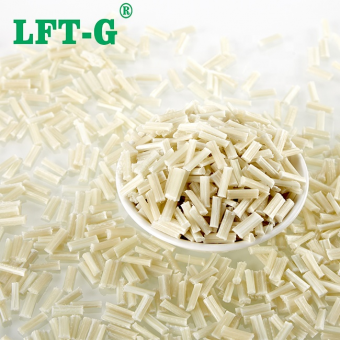
Compuestos de fibra de vidrio larga con relleno de nailon 66 PA66 modificado LFT-G para electrodomésticosNailon reforzado con fibra de vidrio larga PA66-LGF PA66, or Nylon 66, is a high-performance polyamide widely used in engineering plastics. It offers excellent mechanical properties including tensile strength, flexural strength, and impact resistance, along with superior thermal and chemical stability. With lightweight, high wear resistance, good electrical insulation, and self-extinguishing properties, PA66 is ideal for automotive, electrical, industrial equipment, and construction applications. Why Reinforce PA66 with Long Glass Fiber? While PA66 is versatile, it has limitations: high water absorption, low compressive strength when wet, poor alkali resistance, and potential deformation at ultra-low temperatures. Long glass fiber (LGF) reinforcement addresses these challenges. Adding LGF significantly improves impact resistance, thermal deformation resistance, mechanical performance, molding processability, and chemical resistance. LGF acts as a robust internal skeleton, enhancing the durability and reliability of PA66 components. PA66-LGF Technical Datasheet *The datasheet is tested by Xiamen LFT and provided for reference only.* Applications of PA66-LGF PA66 reinforced with 30% long glass fiber is ideal for high-performance applications such as: Automotive components and structural parts Power tool housings and mechanical parts Industrial equipment components For specialized applications, please consult our technical team. PA66-LGF Product Details Number Color Length Sample MOQ Port of Loading Delivery Time Payment Terms PA66-NA-LGF30 Original color (customizable) 12mm (customizable) Available 25kg Xiamen Port 7-15 days after shipment Discussed Xiamen LFT Composite Plastic Co., Ltd Xiamen LFT Composite Plastic Co., Ltd. is a leading manufacturer specializing in long fiber reinforced thermoplastics (LFT & LFRT), including Long Glass Fiber (LGF) and Long Carbon Fiber (LCF) series. Our thermoplastic LFT can be applied in LFT-G injection molding, extrusion molding, and LFT-D molding. We provide products according to customer requirements with fiber lengths from 5 to 25mm. Our continuous infiltration reinforced thermoplastics have passed ISO9001 & 16949 certifications and hold numerous national patents and trademarks. Our Services Technical parameters and leading-edge design of LFT & LFRT materials Mold front design recommendations Technical support for injection molding and extrusion molding processes
- Aparato electrónico de baja deformación
- Perdigones PA66 autocargables
- Pellets de PA66 reforzados de alta resistencia y alta tenacidad
- Los mejores gránulos de fibra de vidrio larga PA66 LGF30
- PA66 6 pellets LGF de doble tornillo
- Aplicación de gránulos de PA66 de fibra larga
Etiquetas :
-
PLA Compuestos de ácido poliláctico Resina termoplástica de fibra de vidrio larga para ingenieríaPLA y LGFPLA: Bioplásticos ecológicos y reforzados PLA (Polylactic Acid) is a non-natural polyester and one of the most promising "green plastics." Known for its biocompatibility, biodegradability, and high mechanical strength, PLA can be completely degraded by microorganisms into CO₂ and water, making it non-toxic and environmentally friendly. PLA offers mechanical properties similar to polypropylene, while providing the gloss, clarity, and processability of polystyrene. With a lower processing temperature than polyolefins, PLA can be molded via injection molding, extrusion, blow molding, spinning, and other general plastic processes. Its applications range from disposable packaging and fibers to nonwovens, and extend to medical, chemical, pharmaceutical, and 3D printing industries. Long Glass Fiber Reinforced PLA (LGFPLA) Glass fiber is an inorganic non-metallic material with excellent insulation, heat resistance, corrosion resistance, and mechanical strength. When used to reinforce PLA, it creates Long Glass Fiber PLA (LGFPLA), a high-performance thermoplastic composite with glass fibers 10–25mm long, forming a 3D structure for superior strength and stability. LGFPLA is available as columnar pellets, typically 12mm (for injection molding) or 25mm (for compression molding) in length, with glass fiber content from 20% to 60%. Colors can be customized to match client requirements. Advantages of LGF vs SGF (Long Fiber vs Short Fiber PLA) Longer fiber length improves mechanical properties and part durability. High specific stiffness and strength, with excellent impact resistance — ideal for automotive parts. Improved creep resistance and dimensional stability for precise molding. Outstanding fatigue resistance and long-term reliability. Stable performance in high temperature and humid environments. Minimal fiber damage during molding due to fiber mobility within the mold. Technical Specifications Product Number Color Length Fiber Specification Package Sample Port of Loading Delivery Time PLA-NA-LGF Natural or customizable 6–25mm 20%–60% 25kg/bag Available Xiamen Port 7–15 days after shipment Lab & Factory Xiamen LFT Composite Plastic Co., Ltd. Xiamen LFT Composite Plastic Co., Ltd. specializes in developing and producing long glass fiber (LGF) and long carbon fiber (LCF) reinforced thermoplastic composites (LFT-G, LFRT, LFT). Our materials are lightweight, high-strength, impact-resistant, and environmentally friendly, offering excellent corrosion and chemical resistance along with superior molding performance. Our products are used across industries including automotive, aerospace, military, electrical, medical, sports equipment, and daily consumer goods, producing components such as gears, rollers, pulleys, pump impellers, fan blades, and more.
- PLA de producción de plástico reforzado con PLA lgf
- Materiales modificados para moldes de inyección de PLA LFT-G
- Compuestos de fibra de vidrio larga, resina PLA básica
- Pellets de PLA de fibra larga 30 fabricados en China
- Fabricante de polímeros PLA autosuficientes, venta directa
- Pellets puros de PLA de grado virgen lft
Etiquetas :
-
La industria LFT-G utiliza pellets de alta tenacidad de relleno de HDPE LGF 30%-60%, muestra gratuita de 12 mmPlástico HDPE | HDPE reforzado con fibra de vidrio larga ¿Qué es el HDPE? El polietileno de alta densidad (HDPE) es un material termoplástico granular no tóxico, inodoro y altamente cristalino (80%-90%). Tiene un punto de reblandecimiento de 125-135 °C y puede utilizarse a temperaturas de hasta 100 °C. En comparación con el polietileno de baja densidad (LDPE), el HDPE ofrece mayor dureza, resistencia a la tracción, resistencia a la fluencia, resistencia al desgaste, aislamiento eléctrico, tenacidad y resistencia al frío. Además, ofrece una excelente estabilidad química, siendo insoluble en cualquier disolvente orgánico a temperatura ambiente y resistente a la corrosión por ácidos, álcalis y diversas sales. Plásticos reforzados con fibra de vidrio larga (LGF) Los plásticos reforzados con fibra de vidrio larga (plásticos LGF) se crean añadiendo fibras de vidrio largas y otros aditivos para plásticos puros. Este refuerzo mejora significativamente las propiedades mecánicas y térmicas del material, haciéndolo adecuado para aplicaciones estructurales y de ingeniería. Los plásticos LGF se utilizan comúnmente con materiales como PP, ABS, PA66, PA6, HDPE, PPA, TPU, PEEK, PBT y PPS. Ventajas de los plásticos reforzados con fibra de vidrio larga Mayor resistencia al calor: las fibras de vidrio mejoran el rendimiento a altas temperaturas de los plásticos, especialmente en materiales a base de nailon. Contracción reducida y mayor rigidez: el refuerzo de fibra restringe el movimiento de la cadena de polímero, mejorando la estabilidad dimensional. Resistencia al impacto mejorada: los plásticos reforzados resisten el agrietamiento por tensión y tienen mayor tenacidad. Mayor resistencia: la resistencia a la tracción, a la compresión y a la flexión se mejoran significativamente gracias a las fibras de vidrio de alta resistencia. Retardancia al fuego: la adición de fibras y aditivos reduce la inflamabilidad, lo que hace que la mayoría de los plásticos reforzados no sean inflamables. Ficha técnica de HDPE/LGF Contáctenos Para obtener más información sobre Plástico HDPE y HDPE reforzado con fibra de vidrio larga Si necesita materiales, póngase en contacto con nuestro equipo de ventas. Ofrecemos soporte técnico, soluciones personalizadas y solicitudes de muestras para sus aplicaciones industriales y de ingeniería.
- Relleno de HDPE de fibra de vidrio larga de color blanco
- HDPE de alto rendimiento con LGF
- plástico HDPE virgen moldeado por inyección
- Resina polimérica en gránulos de HDPE de 10-12 mm de color original
- El plástico de ingeniería se puede reciclar HDPE
- Compuestos termoplásticos HDPE de alta rigidez
Etiquetas :
-
MXD6 relleno de fibra de vidrio larga 30 moldeo por inyección de alta tenacidad muestra de color natural disponiblePlástico MXD6 | MXD6 reforzado con fibra de vidrio larga (MXD6-LGF) ¿Qué es MXD6? Poliadipil-m-benzoilamina, comúnmente conocida como MXD6 o nailon MXD6 Es un termoplástico de ingeniería de alto rendimiento. En comparación con otros plásticos de ingeniería, el MXD6 presenta mayor resistencia mecánica y módulo. Además, es un nailon especial de alta barrera, con excelente resistencia al oxígeno y al dióxido de carbono. A diferencia del PVDC o el EVOH, su capacidad de barrera no se ve afectada por la temperatura ni la humedad, lo que lo convierte en ideal para condiciones de alta temperatura y humedad. Rendimiento estructural y mecánico El nailon MXD6 presenta alta resistencia, alta rigidez, alta temperatura de deformación térmica, baja expansión térmica, excelente estabilidad dimensional y baja absorción de agua. Sus propiedades mecánicas se modifican mínimamente tras la absorción de agua. El MXD6 presenta baja contracción para un conformado de precisión, excelente pintabilidad a altas temperaturas y excelentes propiedades de barrera. Ventajas del MXD6 Mantiene alta resistencia y rigidez en un amplio rango de temperaturas. Alta temperatura de deflexión térmica con bajo coeficiente de expansión térmica Baja absorción de agua y mínima reducción de las propiedades mecánicas. Pequeña contracción de moldeo, adecuada para procesos de moldeo de precisión. Excelente pintabilidad, especialmente a altas temperaturas. Excelente barrera contra el oxígeno, el dióxido de carbono y otros gases. MXD6-LGF | MXD6 reforzado con fibra de vidrio larga El MXD6 se puede combinar con fibras de vidrio largas, fibras de carbono, minerales y rellenos avanzados para producir compuestos con un refuerzo de fibra de vidrio del 50-60 %. Esto proporciona una resistencia y rigidez excepcionales, a la vez que mantiene una superficie lisa y rica en resina, ideal para pintura, recubrimientos metálicos o carcasas reflectantes. Ventajas clave de MXD6-LGF Alta fluidez para paredes delgadas: Puede rellenar paredes de hasta 0,5 mm de espesor incluso con un contenido de fibra de vidrio del 60%. Excelente acabado superficial: Las superficies ricas en resina proporcionan una apariencia de alto brillo a pesar del alto contenido de fibra. Muy alta resistencia y rigidez: Comparable a muchos metales fundidos y aleaciones con 50-60% de fibra de vidrio. Buena estabilidad dimensional: Baja contracción y tolerancias estrictas; coeficiente de expansión lineal similar al de muchos metales. Ficha técnica del MXD6-LGF (ficha técnica) Aplicaciones de MXD6-LGF MXD6-LGF Sustituye a los metales en piezas estructurales de alta calidad para la industria automotriz, electrónica y electrodomésticos. Ofrece un excelente rendimiento en entornos que requieren alta resistencia mecánica y al aceite, operando a 120-160 °C a largo plazo. Con refuerzo de fibra de vidrio, el MXD6 mantiene una resistencia térmica de hasta 225 °C, ideal para bloques de cilindros, culatas, pistones y engranajes síncronos de motores automotrices. Las aleaciones MXD6/PPO ofrecen resistencia a altas temperaturas, alta resistencia, resistencia al desgaste, resistencia al aceite y excelente estabilidad dimensional, lo que permite el reemplazo de metal en paneles de carrocería de automóviles, guardabarros, cubiertas de ruedas y piezas curvas complejas. Sobre nosotros
- fibra de vidrio larga MXD6
- termoplásticos reforzados con fibra larga
- gránulos largos de plástico reforzado con fibra de vidrio
- MXD6 LGF
- gránulos de plástico reforzado con fibra de vidrio
- Compuestos MXD6
Etiquetas :
-
Xiamen LFT-G PLA - Resina termoplástica con relleno de fibra de vidrio larga, compuesta de ácido poliláctico, color originalPlástico PLA | PLA reforzado con fibra de vidrio larga (PLA-LGF) ¿Qué es PLA? Ácido poliláctico ( EPL ) es un plástico polimérico biodegradable y ecológico, producido mediante procesos libres de contaminación. El PLA se degrada y recicla de forma natural en el medio ambiente, lo que lo convierte en un material polimérico ecológico ideal y uno de los plásticos biodegradables más representativos. Estructura del PLA y resistencia al calor La estructura molecular del PLA afecta su resistencia térmica, tenacidad, resistencia mecánica, degradabilidad y biocompatibilidad. El PLA presenta una cadena molecular en espiral con baja actividad, lo que resulta en una cristalización lenta tras el moldeo por inyección y una resistencia térmica relativamente baja. Durante el procesamiento en caliente, los enlaces éster pueden romperse parcialmente, generando grupos carboxilo terminales que aceleran la degradación térmica. PLA reforzado con fibra de vidrio larga (LGF) Refuerzo de PLA con fibras de vidrio largas ( PLA-LGF ) mejora la resistencia mecánica, la rigidez y la resistencia térmica. Las fibras actúan como soporte del esqueleto, restringiendo el movimiento de la cadena de polímero durante el calentamiento y aumentando la estabilidad térmica. Tipos de fibras para el refuerzo de PLA Las fibras utilizadas para la mejora del PLA incluyen: Fibras vegetales naturales: sisal, lino, bambú, coco, fibra de madera Fibras animales: seda Fibras minerales: fibra de basalto Fibras químicas: fibra de vidrio, fibra de carbono La fibra de vidrio y la fibra de carbono se utilizan ampliamente debido a su alta resistencia y módulo, mientras que las fibras naturales se prefieren por su biodegradabilidad y el uso de fuentes renovables. Las fibras modificadas mezcladas con PLA han mostrado temperaturas de ablandamiento Vicat superiores a 140 °C. Comparado con fibra corta (SGF) El PLA reforzado con fibra de vidrio larga presenta propiedades mecánicas superiores al PLA reforzado con fibra corta (SGF). Es más adecuado para piezas estructurales de gran tamaño, ofreciendo una tenacidad de 1 a 3 veces mayor y una resistencia a la tracción y rigidez de 0,5 a 1 veces superiores. Moldeo por inyección de PLA-LGF Laboratorio y pruebas Almacén y almacenamiento Proceso de dar un título Acerca de Xiamen LFT Composite Plastic Co., Ltd. Xiamen LFT Composite Plastic Co., Ltd. se especializa en termoplásticos reforzados con fibra larga (LFT), incluidos EPL
- El plástico compuesto PLA se puede reciclar
- Moldeo por inyección de materiales de ácido poliláctico
- compuestos de pla modificados
- resina plástica reforzada con fibra de vidrio larga pla
- Muestra de PLA de relleno de fibra de vidrio larga disponible
- lft-g pla lgf baja deformación
Etiquetas :
-
Compuesto de nailon PA12 de alta resistencia LGF, color blanco virgen para automoción.Número de producto: PA12-NA-LGF Especificación de la fibra: 20%-60% Característica del producto: Alta resistencia, alta tenacidad y durabilidad. Aplicación del producto: Adecuado para automoción, piezas deportivas, energía solar, industria fotovoltaica y otras industrias.
- Relleno de nailon 12, plástico reforzado con fibra de vidrio larga
- Alta durabilidad y propiedades mecánicas.
- Compuestos de la industria fotovoltaica
- Resina termoplástica de grado inyectable
- Servicio 24h de plástico personalizado en lugar de metal.
- Precio de proveedor buen precio compuestos pa6
Etiquetas :
-
Plásticos de ingeniería personalizados de fibra de vidrio larga compuesta LGF de sulfuro de polifenileno LFT-G PPSPPS y PPS-LGF | Plástico de ingeniería de alto rendimiento ¿Qué es PPS? El sulfuro de polifenileno (PPS) es un termoplástico de ingeniería de alto rendimiento, conocido por su excelente resistencia térmica, estabilidad química, resistencia al fuego y resistencia mecánica. Mediante refuerzo y modificación, el PPS ofrece una combinación equilibrada de propiedades físicas, mecánicas y eléctricas. El PPS presenta una excelente estabilidad dimensional, resistencia a la corrosión y rendimiento de aislamiento eléctrico, lo que lo hace adecuado para entornos industriales hostiles. Características clave del PPS Excelente resistencia a altas temperaturas. Alta dureza y resistencia al desgaste. Fuerte resistencia a la fluencia bajo carga a largo plazo Excelentes propiedades eléctricas en un amplio rango de temperaturas. Baja sensibilidad de las propiedades mecánicas a los cambios de temperatura. El PPS sin modificar es frágil por naturaleza y presenta una resistencia al impacto relativamente baja. Estas limitaciones pueden superarse eficazmente mediante el refuerzo de fibras y la modificación del material. ¿Qué es PPS-LGF? PPS-LGF se refiere al sulfuro de polifenileno reforzado con fibra de vidrio larga. Entre los plásticos de ingeniería, el PPS-LGF destaca por su excelente resistencia térmica, resistencia estructural y fiabilidad a largo plazo. Temperatura de deflexión térmica (HDT) superior 260°C Resistencia química sólo superada por el PTFE Baja contracción de moldeo y absorción de agua extremadamente baja. Excelente resistencia al fuego y a la fatiga por vibración. Excelente aislamiento eléctrico incluso en entornos de alta humedad y alta temperatura. Al incorporar fibras de vidrio largas, PPS-LGF mejora significativamente la tenacidad y la resistencia al impacto, superando la fragilidad del PPS puro y brindando un excelente rendimiento integral. En muchas aplicaciones, PPS-LGF puede reemplazar metales como acero inoxidable, cobre, aluminio y aleaciones, lo que lo convierte en un material ideal para el reemplazo de metales y el diseño liviano. Marcador de posición de imagen Aplicaciones de PPS-LGF El PPS-LGF se utiliza ampliamente en industrias que requieren alta resistencia, resistencia al calor y estabilidad química, entre las que se incluyen: Componentes automotrices Estructuras aeroespaciales Electrodomésticos Piezas mecánicas y estructurales Equipos de procesamiento químico Aislamiento eléctrico y componentes resistentes a la corrosión Detalles del producto Calificación Color Longitud del perdigón Cantidad mínima de pedido Embalaje Muestra El tiempo de entrega Puerto de carga PPS-NA-LGF30 Natural (personalizable) ≥ 5–25 mm 25 kilos 25 kg / bolsa Disponible 7–15 días después del envío Puerto de Xiamen Proceso de producción Nuestros materiales PPS-LGF se producen utilizando tecnología avanzada de impregnación de fibra larga, lo que garantiza una excelente retención de la longitud de la fibra, una dispersión uniforme y un rendimiento mecánico estable. Marcas y patentes Nuestros materiales están respaldados por tecnologías patentadas, marcas registradas y procesos patentados para garantizar una calidad constante y un rendimiento confiable. Equipos y clientes Con el respaldo de un experimentado equipo de I+D y producción, nuestros materiales PPS-LGF cuentan con la confianza de clientes de todo el mundo en los sectores automotriz, industrial y eléctrico. Lo que ofrecemos Datos técnicos de materiales LFT y LFRT y soporte de diseño avanzado Recomendaciones y optimización del diseño del frente del molde Soporte técnico profesional para el procesamiento de moldeo por inyección y extrusión.
- PPS Fibra de vidrio larga 40
- compuestos de pps lgf
- materiales de resina pps lft
- plástico reforzado con pps lft-g
- relleno de fibra de vidrio larga pps
- resina termoplástica pps lgf
Etiquetas :
-
Polímero de fibra de vidrio larga relleno de sulfuro de polifenileno PPS resistente a altas temperaturas Xiamen LFTSulfuro de polifenileno (PPS) El PPS (sulfuro de polifenileno) es un plástico de ingeniería de alto rendimiento con una dureza similar a la del metal, excelente resistencia y excepcional resistencia térmica, química y eléctrica. Ofrece retardancia a la llama (V0), baja deformación y alta resistencia al desgaste. En comparación con los metales, el PPS es ligero, ideal para vehículos, barcos y aeronaves. Combina alta resistencia con bajo peso, excelente resistencia a la corrosión y excelentes propiedades de aislamiento incluso en condiciones de alta temperatura, humedad y alta frecuencia. Además, es resistente al desgaste, apto para rodamientos, engranajes y sellos autolubricantes, y permite el moldeo en un solo paso, a diferencia de los metales, que requieren múltiples procesos. Compuestos de fibra de vidrio larga Nuestros compuestos LFT de "relleno central" se producen impregnando miles de filamentos de fibra de vidrio con resina PPS fundida y cortando el material resultante en gránulos. Este proceso garantiza una distribución uniforme de la fibra y propiedades mecánicas superiores. Resistencia al impacto significativamente mejorada Mayor rigidez y resistencia Excelente resistencia al calor Características mejoradas de fluencia y desgaste Reducción de la deformación y la alabeo Propiedades mejoradas de resinas cristalinas y amorfas recicladas Detalles técnicos Nombre Contenido de fibra Color Longitud Cantidad mínima de pedido TDS Precio FOB Entrega Polímero de fibra de vidrio larga relleno de sulfuro de polifenileno 20%-60% Color natural / Personalizado 6-25 mm 25 kg/bolsa Contáctenos para TDS USD 8,8-11,1/KG Por barco o por aire Perfil de la empresa Xiamen LFT Composite Plastic Co., LTD, fundada en 2009, es un proveedor líder mundial de materiales termoplásticos reforzados con fibra larga, que integra I+D, producción y comercialización. Nuestros productos LFT cuentan con las certificaciones ISO9001 e IATF16949, así como con numerosas marcas y patentes nacionales, y prestan servicio en los sectores de la automoción, la aeroespacial, el militar, las nuevas energías, la medicina, la energía eólica y el equipamiento deportivo. Otros materiales que te pueden interesar PA66-NA-LGF PPA-NA-LCF PA12-NA-LGF
- Plástico de sulfuro de polifenileno de excepcional resistencia mecánica
- Pellets de resina termoplástica reforzada con fibra de vidrio larga LFT PPS
- Gránulos de plástico PPS de alta resistencia fabricados en China
- El PPS se puede personalizar con filamento de fibra de corte largo.
- Venta caliente de plástico ligero en lugar de metal y acero.
- Ingeniería usada plástico PPS buena apariencia GFRP
Etiquetas :
-
Xiamen LFT PLA Compuestos de ácido poliláctico Resina termoplástica de fibra de vidrio larga para ingenieríaPlástico PLA El PLA (ácido poliláctico) es un poliéster de origen biológico y uno de los plásticos ecológicos más prometedores gracias a su biodegradabilidad, biocompatibilidad y alta resistencia mecánica. Los productos de PLA se degradan completamente en CO₂ y agua mediante microorganismos, y no son tóxicos ni irritantes. Mecánicamente, el PLA es comparable al polipropileno, mientras que su brillo, transparencia y procesabilidad se asemejan al poliestireno. Su menor temperatura de procesamiento permite su producción mediante moldeo por inyección, extrusión, moldeo por soplado, hilado y otros métodos comunes de procesamiento de plásticos. El PLA se aplica ampliamente en las industrias de plásticos desechables, envases, fibras, telas no tejidas, química, médica, farmacéutica y de impresión 3D. El PLA se reconoce cada vez más como un material clave para reducir la contaminación plástica. Plástico reforzado con PLA La fibra de vidrio es un material inorgánico con excelente aislamiento, resistencia al calor, a la corrosión y alta resistencia mecánica. Se utiliza ampliamente para reforzar materiales compuestos. Las fibras de vidrio largas suelen tener una longitud superior a 10 mm. El PLA reforzado con fibra de vidrio larga (LGFPLA) contiene fibras de vidrio de 10 a 25 mm que forman una estructura tridimensional durante el moldeo. Pertenece a los termoplásticos de fibra larga (LFT). El tamaño de los gránulos suele ser de 12 mm (moldeo por inyección) o 25 mm (moldeo por compresión). El contenido de fibra de vidrio oscila entre el 20 % y el 60 %, y los colores se pueden personalizar. Ventajas de LGF y SGF En comparación con los termoplásticos reforzados con fibra corta, el LFT tiene: Mayor longitud de fibra para propiedades mecánicas superiores Alta rigidez y resistencia específicas, excelente resistencia al impacto, ideal para piezas de automoción. Mayor resistencia a la fluencia, estabilidad dimensional y alta precisión en el moldeo. Excelente resistencia a la fatiga Mejor estabilidad en ambientes húmedos y de alta temperatura. Daño mínimo a la fibra durante el moldeo debido a la movilidad de la fibra Detalles técnicos Número Color Longitud Contenido de fibra Paquete Muestra Puerto de carga El tiempo de entrega PLA-NA-LGF Natural o personalizado 6-25 mm 20%-60% 25 kg/bolsa Disponible Puerto de Xiamen 7-15 días después del envío Laboratorio y fábrica Xiamen LFT Composite Plastic Co., Ltd. Xiamen LFT Composite Plastic Co., Ltd., fundada por un veterano de la industria de compuestos termoplásticos, se especializa en el desarrollo y la producción de plásticos termoplásticos reforzados con fibra de vidrio/carbono (LFT-G, LFRT, LFT). Nuestros productos son ligeros, de alta resistencia, resistentes a impactos y al calor, reciclables y ecológicos. En comparación con los materiales tradicionales, ofrecen mayor resistencia a la corrosión, menor costo y un rendimiento de moldeo superior. Nuestra serie LFT (LGF y LCF) incluye PP, PA6, PA66, PPA, PA12, TPU, PBT, PLA, PET, PPS y PEEK. Sus aplicaciones abarcan electrodomésticos, equipos aeroespaciales, automotrices, militares y médicos, así como artículos deportivos y artículos de primera necesidad. Entre nuestros productos se incluyen engranajes, rodillos, poleas, impulsores de bombas, aspas de ventiladores y más.ver más