nuevo blog
Una pequeña abolladura en la superficie puede ocultar daños internos graves. Después de repetidos golpes de las olas, ¿cuánto tiempo puede seguir funcionando de forma segura un laminado compuesto marino?
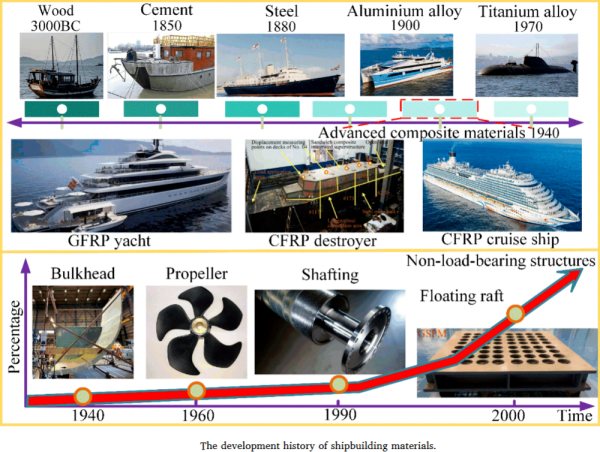
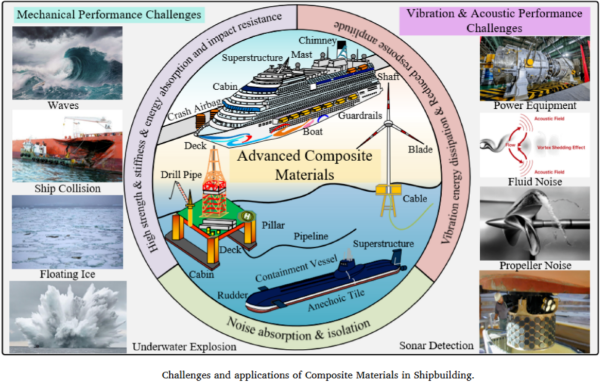
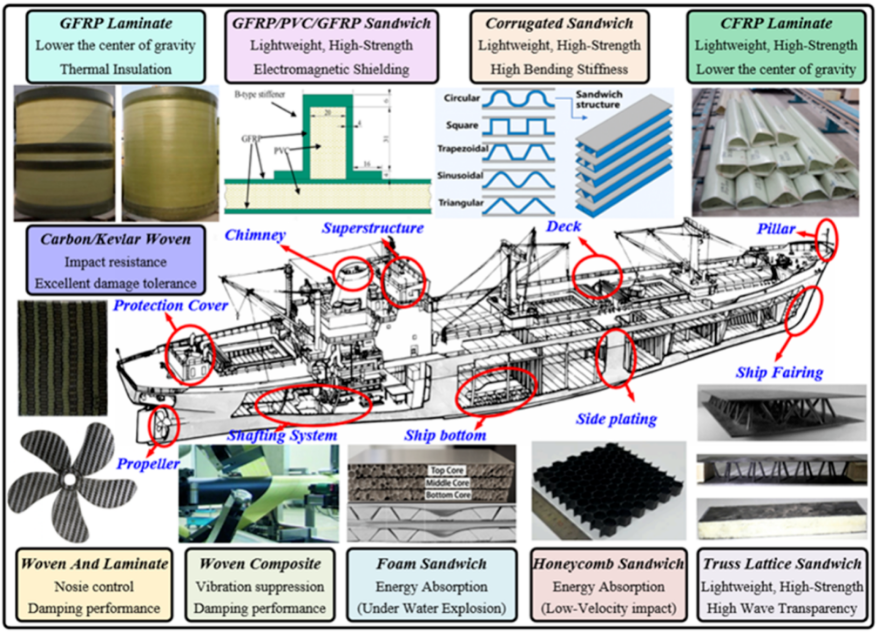
Los materiales compuestos desempeñan un papel cada vez más importante en la construcción naval moderna. Desde embarcaciones de alta velocidad y buques patrulleros hasta cascos de submarinos e incluso las superestructuras de grandes buques navales, los compuestos reforzados con fibra de carbono y fibra de vidrio se han convertido en la opción preferida para estructuras marinas ligeras.
Sin embargo, los materiales compuestos también tienen una debilidad conocida: son especialmente vulnerables a los daños por impacto de baja velocidad.
Imagina una embarcación patrullera compuesta que choca suavemente contra un muelle. Externamente, el casco puede no mostrar más que una pequeña abolladura, un fenómeno conocido como daño por impacto apenas visible (BVID).
Sin embargo, la inspección ultrasónica mediante escaneo C suele revelar daños internos graves ocultos bajo la superficie.
Numerosos estudios experimentales muestran que la resistencia a compresión después del impacto (CAI) de los laminados compuestos impactados puede disminuir hasta solo el 40–60 % de su resistencia a compresión original.
Un experimento representativo encontró que un laminado impactado con 28 J falló bajo una carga de compresión de 55.2 kN. Posteriormente se realizaron pruebas de fatiga utilizando el 65–80 % de esta carga residual.
Cuando se aplican cargas de compresión, las regiones delaminadas tienden a pandearse localmente como una hoja de papel bajo compresión. Esta inestabilidad favorece un rápido crecimiento de la delaminación, debilitando progresivamente la estructura hasta que ocurre una falla catastrófica.
Las estructuras marinas experimentan cargas cíclicas continuas provocadas por las olas durante toda su vida útil. La vida útil residual a la fatiga describe cuántos ciclos de carga más puede soportar un laminado dañado por impacto antes de fallar.
Los modelos modernos de predicción pueden estimar la vida útil residual a la fatiga de laminados compuestos dañados por impacto con un error inferior al 15%, lo que los hace suficientemente precisos para aplicaciones prácticas de ingeniería.
Síguenos :


-- Obtener actualizaciones con los últimos temas

 correo electrónico
 español
 English
 français
 Deutsch
 русский
 italiano
 português
 العربية
 日本語
日本語 한국의
한국의 中文
中文